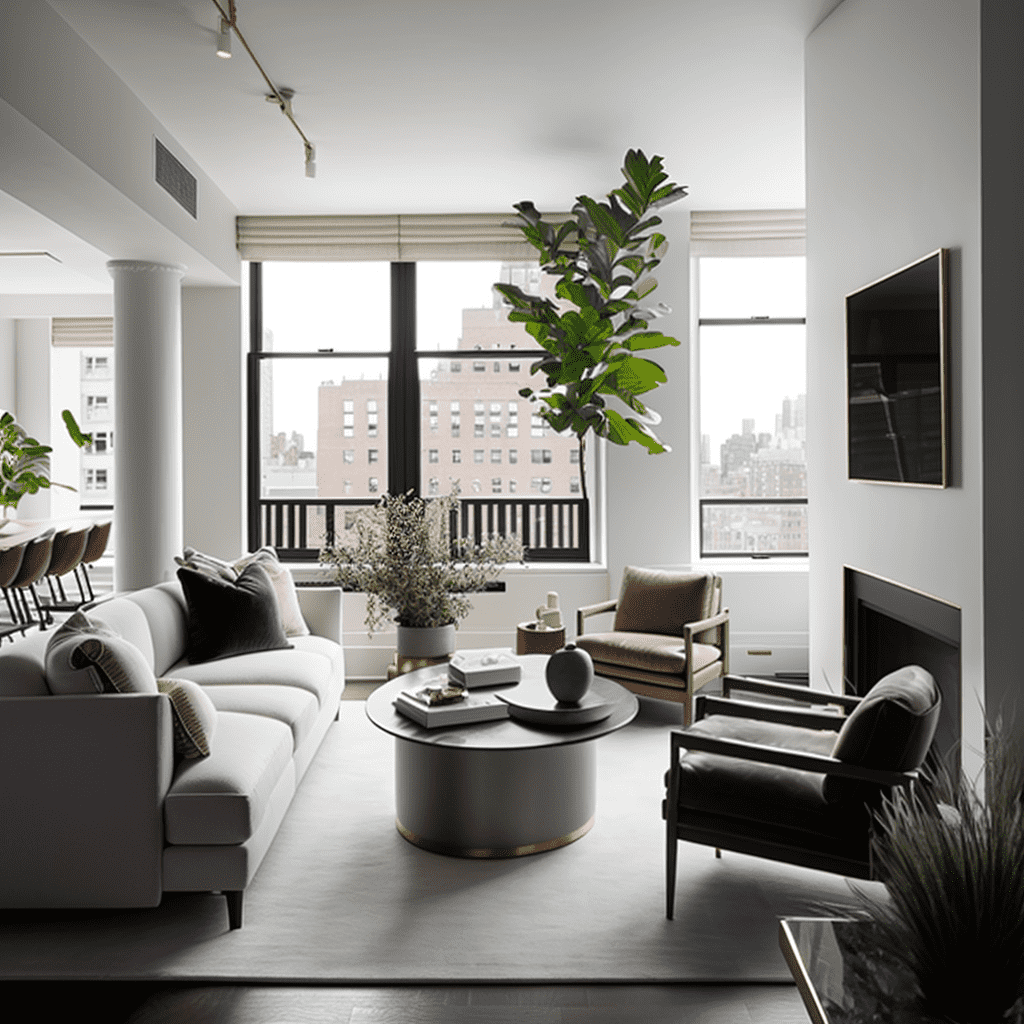
Introduction to eco-friendly materials and sustainable design practices in interior design
Interior design isn't just about making spaces look beautiful, but also ensuring they are eco-friendly and sustainable! Using materials like bamboo, recycled glass, and cork, as well as employing green building practices like energy efficiency and waste management can make a big difference. This essay will discuss the benefits of using eco-friendly materials and sustainable design practices in interior design.
To begin with, these types of materials are highly durable. Bamboo flooring for example is harder than hardwood and more resilient to scratches. Recycled glass tiles have good insulation properties which help to maintain comfortable temperatures indoors! Not only that but these materials often have unique textures and colors that add a sense of character to any home. Installing them can really transform a space into something special!
Furthermore, it's important to consider the environment when decorating our homes too. Eco-friendly materials minimize emissions from production processes and reduce the amount of resources needed for manufacturing them - this helps us conserve our planet’s precious resources! On top of that, many products made from natural or recycled substances contain fewer toxins than conventional items used in interior design – such as carpets treated with harsh chemicals or PVC plastics - which could be hazardous to our health if not handled correctly.
In addition (transition phrase), utilizing sustainable design strategies such as natural ventilation systems, solar power technology or geothermal heating/cooling systems can significantly reduce energy consumption within households meaning lower electricity bills and less dependency on fossil fuels! And because they use renewable sources such as wind or sun rays they're very efficient at providing a steady supply of energy too.
Overall (transition phrase), using eco-friendly materials along with sustainable interior design practices provides numerous advantages both for homeowners economically speaking and for the environment – so why not give them a try? It will certainly be worth it in the long run!
Advantages of using sustainable materials in interior design
The benefits of using eco-friendly materials and sustainable design practices in interior design are immense! Not only do they help protect the environment, but they also give us a chance to create high quality, aesthetically pleasing designs. By utilizing sustainable materials in our interiors, we can cut down on energy consumption and reduce waste - leading to a more sustainable lifestyle. (Plus, you'll be able to enjoy healthier living conditions).
Moreover, using sustainable materials can significantly reduce costs associated with interior design projects. The use of reclaimed wood or recycled fabrics allows for a lower budget while still providing an attractive end result. Furthermore, these materials also come with long-term savings as well; since they are more durable than conventional products, there is less need for frequent replacement - cutting down maintenance costs over time.
Another great advantage of eco-friendly materials is that they often offer unique textures and colors which are difficult to find elsewhere. This helps create stunning visuals that would otherwise not be possible with traditional finishes and fixtures. Moreover, there are many creative options available when it comes to incorporating eco-friendly elements into the overall scheme of your home's design – from flooring made out of bamboo or cork to walls covered in plant fiber wallpaper and other natural building components.
Finally, choosing environmentally friendly materials will also have immense social benefits; by supporting green initiatives and manufacturers who produce goods sustainably, we can help promote a responsible attitude toward the environment throughout society! In this way, utilizing eco-friendly products inside our homes can send an important message about our commitment to protecting the planet (and its inhabitants) for generations to come.
All in all, there are countless advantages associated with making use of sustainable materials and practices when designing interiors: from cost savings to environmental protection–not forgetting the wide range of creative potentials available at our fingertips! With such compelling reasons for going green in mind it's no wonder why so many people have started embracing this trend in recent years - certainly something worth considering if you're looking for ways to make your interior spaces more appealing yet still mindful of their impact on the planet!
Eco-friendly material options for interior design
The use of eco-friendly materials and sustainable design practices in interior design offers a range of advantages. Firstly, going green can help to reduce our carbon footprint (and) have a positive impact on the environment. For example, choosing furniture made from recycled materials and using organic fabrics for upholstery reduces the amount of energy needed to produce them as well as their overall environmental burden. Plus, selecting flooring materials such as bamboo or cork that are harvested sustainably can also contribute to preserving natural resources.
Furthermore, employing green materials in interior design not only helps protect the planet but can also enhance one's wellbeing too! Adopting eco-friendly solutions results in improved air quality inside the home – free from off-gassing chemicals found in some traditional building materials and furnishings. Additionally, incorporating natural elements like wood, stone and plants into interiors has been linked with reduced stress levels while adding warmth and texture to any space.
Due to their durability, Eco-friendly material options for interior design often last longer than conventional ones which means they don't need replacing as frequently– thus reducing waste over time! Moreover, these kinds of products tend to be less expensive when purchasing new items compared to non-eco alternatives. Consequently (this) provides an excellent opportunity for those looking to save money without compromising on quality or style.
In conclusion, there are numerous benefits associated with using sustainable practices for interior design. Not only does it benefit the environment but it can also improve one's health by providing a cleaner living environment whilst saving money at the same time! What better way is there to create beautiful spaces?!
Benefits of green building practices
Interior design is a field that has many benefits of using eco-friendly materials and sustainable design practices. From saving money to reducing environmental impact, there are numerous advantages to utilizing green building principles in interior design. (First,) these practices help conserve natural resources, as well as reduce energy consumption and emissions from buildings. This can lead to significant economic savings for businesses and homeowners alike. Additionally, eco-friendly materials are often healthier for occupants due to their low VOC content which helps improve air quality.
Moreover, green building practices promote the use of recycled and reclaimed materials which helps reduce waste throughout the construction process. Reusing existing items also saves money on purchasing new items and reduces the demand for raw materials needed for production. Furthermore, sustainable design techniques such as daylighting and passive solar heating can provide considerable energy savings over traditional methods while significantly decreasing a project’s environmental footprint! It’s clear that there are many benefits of using eco-friendly materials and sustainable design practices in interior design projects.
However, it's important to note that not all green products or building techniques will be beneficial or cost effective in every situation; so it's important to research thoroughly before deciding on a strategy or product selection. Additionally, properly designing a space with greens features requires specialized knowledge that may be best left to an experienced professional designer or architect who understands both the aesthetics of interior design as well as green building principles. In conclusion, when done correctly, embracing sustainable material choices and efficient designs provides numerous benefits that make it worth considering for any interior renovation project!
Designing a healthy home with eco-friendly materials and sustainable practices
Interior design that uses eco-friendly materials and sustainable practices is an important part of creating a healthy home. By using these types of materials and practices, homeowners can reduce their carbon footprint, save money in the long run, and create an aesthetically pleasing environment. (yay!)
By utilizing eco-friendly materials, such as bamboo or cork flooring and recycled glass countertops, homeowners are able to minimize their environmental impact while still enjoying stylish decor. These materials are durable, low maintenance, and often cost less than traditional options. Plus, they don't contain harsh chemicals that can pollute the air!
Sustainable design practices also help conserve energy by taking advantage of natural light sources like windows and skylights to brighten up a space instead of relying heavily on artificial lighting. Additionally, investing in efficient heating systems like radiant floor heating or geothermal heat pumps will result in significant savings over time. Furthermore, installing rainwater barrels for irrigation purposes helps conserve water use during dry periods.
Another major benefit of eco-friendly interior design is improved health for all occupants due to reduced pollutants in the air from toxic building materials such as asbestos or formaldehyde found in some carpets and furniture pieces. This leads to better indoor air quality which translates into fewer respiratory problems due to allergies or asthma.
In conclusion, incorporating eco-friendly materials and sustainable design practices into interior design has numerous benefits including lower costs over time, conservation of resources like energy and water usage when possible, reduction of pollutants in the air that can affect health negatively; all while achieving beautiful aesthetics within your home! Therefore it's definitely worth considering if you're looking for ways to make your home healthier and more environmentally friendly!
Challenges associated with using eco-friendly materials and sustainable design practices in interior design
The benefits of using eco-friendly materials and sustainable design practices in interior design are countless! Not only is it a great way to help protect the environment, but also it can provide homeowners with an aesthetically pleasing space that is cost efficient. While there are numerous advantages to utilizing these green approaches, there are still some challenges associated with them. (For example,) one issue is that eco-friendly options may be more expensive than traditional materials due to their rarity or production process. Also, some elements may not be as durable as those made from traditional products. However, (on the other hand,) they often require less energy to create and maintain, which ultimately saves money in the long run.
Additionally, another challenge when using sustainable materials is finding knowledgeable contractors who understand how to incorporate these items into a design plan. It's important for designers and contractors to have knowledge of various techniques and technologies used in green building projects so that they can apply them correctly when creating something unique for clients. Fortunately, many organizations now offer training programs dedicated to teaching individuals about these topics!
Overall, while there can be certain challenges associated with incorporating eco-friendly practices into interior design projects, the rewards of doing so far outweigh the cons. By embracing this approach you can create beautiful spaces that will not only save you money over time but also contribute positively towards preserving our planet for future generations.
Conclusion
Interior design is a field that has been rapidly advancing in terms of sustainability and eco-friendly materials. From using locally sourced materials to implementing energy efficient lighting, sustainable methods of interior design have become not only popular but also widely accepted in today’s society(.) In conclusion, the benefits of utilizing eco-friendly materials and sustainable design practices in interior design cannot be understated! Not only does it help us preserve nature's resources, but it also delivers a sense of satisfaction from knowing that we are doing our part to make our cities more livable and enjoyable for all! Transition phrases such as "Furthermore" or "In addition" can help keep your essay flowing smoothly while showing the reader that you understand how they connect together. Furthermore, these practices foster healthier environments with better air quality, reduced indoor allergens, and overall improved health among occupants. The use of sustainable designs not only supports global efforts towards environmental preservation but also provides individuals with healthier living spaces. Last but not least, employing sustainably made furniture adds value to any home through its timeless aesthetic beauty!
References
The use of eco-friendly materials and sustainable design practices in interior design has tremendous benefits! Not only are these practices less damaging to the environment, but they can also help to make homes more energy efficient and comfortable for those living there. (And) In addition, incorporating green materials and techniques into a home's design helps create a healthier indoor environment with fewer toxins present.
One of the most obvious advantages is that using eco-friendly materials reduces the amount of harmful chemicals released into the atmosphere. This includes both pollutants from their production as well as from their eventual disposal. Furthermore, many products made from natural ingredients are biodegradable, meaning that they don't take up valuable landfills or require special disposal procedures.
Another benefit is that such items often last longer than conventional counterparts – making them an economical choice over time. For example, bamboo flooring lasts far longer than wood flooring, while cork insulation may outlast fiberglass insulation in certain applications. Similarly, organic bedding tends to be much softer and more durable than synthetic fabrics, allowing people to get a better night's sleep without sacrificing longevity.
Moreover, green materials can help reduce energy costs by creating better insulation within a space. This means that heating or cooling systems won't need to work as hard in order to maintain temperatures – resulting in lower utility bills for homeowners. Additionally, many sustainable products come with additional features like UV protection which further increase efficiency by blocking out excessive radiation from entering a home during summer months.
Finally yet importantly, using sustainable materials helps create healthier indoor environments by eliminating harsh chemicals found in traditional building supplies like paints and adhesives. Instead of breathing potentially hazardous fumes on a regular basis, occupants can instead enjoy fresher air with fewer particles floating around thanks to reduced off gassing of toxic substances.(Therefore,)eco-friendly interior design provides numerous benefits not just for the planet but also for homeowners who choose it!